
Building Knowledge. Creating Collaboration. Driving Impact.
IEDS conferences and academic events bring together researchers, professionals, policymakers, institutions, and emerging leaders to engage on topics aligned with national priorities and global challenges. These forums strengthen interdisciplinary cooperation, knowledge exchange, and applied innovation-ensuring research translates into real-world outcomes.
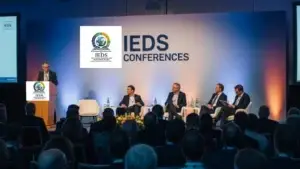
Conference Formats
IEDS conferences may be organized in:
- In-person sessions
- Hybrid formats
- Fully virtual programs
Conference Overview
An IEDS conference includes:
- Research paper and poster presentations
- Keynote speeches
- Expert panels and discussions
- Workshops and practitioner roundtables
- Networking and partnership-building sessions
In line with IEDS’s mission and innovation model, the goal is not only knowledge sharing, but the transformation of research into measurable institutional and societal impact.
Conference Themes
Each conference features a defined theme and sub-themes, typically based on intersections such as:
- Innovation and sustainability
- Economic development and governance reform
- Digital transformation and inclusive development
- Education, workforce, and skills transformation
Themes are announced before each event to guide tracks, submission topics, and programme design.
Conference Goals
IEDS conferences aim to:
- Promote interdisciplinary research and collaboration among academia, government, industry, and practitioners
- Explore sustainable and innovative approaches to institutional effectiveness and economic resilience
- Support inclusive development through social innovation, entrepreneurship, and skills advancement
- Disseminate research and case studies offering practical, adaptable solutions
- Build future-focused networks and competencies aligned with ESG, adaptive leadership, and digital transformation
Subject Coverage
Submissions aligned with the conference theme are encouraged. Common areas include:
- Governance, transparency, ESG, and sustainability
- Technological innovation, AI, and digital transformation
- Trade, finance, and economic growth
- SMEs, entrepreneurship, and inclusive growth
- Education reform, workforce upskilling, leadership, and future skills
A full list of topics is published for each event.
Who Should Attend
IEDS conferences are designed for:
- Academics and researchers (health, education, economics, development, policy, management, etc.)
- Consultants and professionals seeking applied insights
- NGOs, think tanks, and social service organisations
- Government officials and policy advisors
- Entrepreneurs, startups, SMEs, and business leaders
- Master’s and PhD students seeking exposure and academic networks
Benefits of Participation
Participants gain:
- Recognition through presentation and participation
- Networking and collaboration opportunities
- Exposure to current research and international standards
- Certificates and professional development recognition (where applicable)
Instructions for Authors and Speakers
To ensure smooth conference delivery:
- Presenters must complete their presentations within the assigned time (including Q&A).
- Slides and supporting materials must be submitted prior to the event (as instructed).
- Q&A sessions are moderated and time-managed for program integrity.
Important Dates
Each conference publishes key deadlines including:
- Abstract and draft submission deadlines
- Acceptance and notification dates
- Final submission deadlines
- Registration and payment deadlines
- Conference dates
Submission Guidelines
IEDS accepts:
- Full papers
- Research proposals
- Work-in-progress reports
- Abstracts
- Case studies
- Reviews
- Student papers
Submissions undergo a double-blind review process and must comply with the required format and quality standards. Manuscripts should be professionally proofread before submission.
Conference Tracks
Accepted work is grouped into tracks based on the event theme. Typical tracks include:
- Innovation, AI, data systems, digital transformation
- Governance, ESG, transparency, sustainability finance
- Social innovation, entrepreneurship, inclusive development
- Workforce development, future skills, education reform
Review Procedure
IEDS follows a structured quality process:
- Initial editorial screening (scope & formatting)
- Double-blind peer review by external reviewers
- Final decision based on originality, writing quality, analysis, structure, and theme relevance
Acceptance may require originality declarations and licensing or permission requirements.
Sponsorship & Institutional Partnership
IEDS welcomes partnerships and sponsorships that support:
- Enhanced conference quality
- Increased participant engagement
- Exhibitions, branding, and collaboration opportunities
- Institutional visibility and thought leadership
Logistics
For physical or virtual conferences, IEDS provides logistics guidance including:
- Venue details and address
- Suggested accommodation options
- Travel guidance and local transportation advice
- Preparation guidelines (visa responsibility, insurance, safety readiness, etc.)
Registration
Conference registration pages typically include:
-
- Registration categories and instructions
- Payment methods and confirmation process
- Presenter requirements and documentation
- Participant contact submission requirements
Conference Contact
Institute of Education and Development Studies (IEDS)
For inquiries, collaborations, and submissions:
Address: 433, Road-30, Mohakhali DOHS, Dhaka, Bangladesh
Mob & WhatsApp: +8801711074057
Email: info@iedsbd.com
Working Days/Hours: Mon – Sat 09:00 A.M – 06:00 P.M